
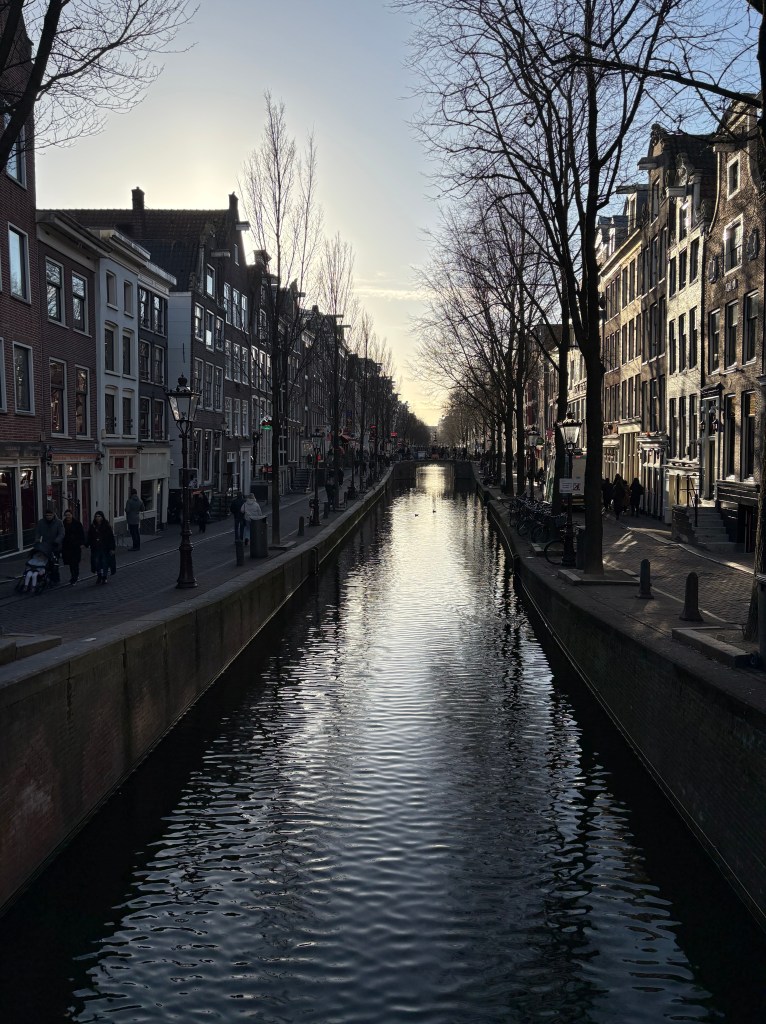
Roots & the Long Arc of Leaving Home
To imagine traveling the world as a little farm boy raised from the roots of rural East Tennessee wasn’t something I grew up knowing was possible.
I don’t particularly remember growing up with nothing, nor do I carry vivid memories of having everything. Much of life still lived only in my imagination. One of those dreams was getting on an airplane and traveling the world—something I believed was reserved for the successful, the rich, or actors in the movies (and in many ways, it still is).
Although I won’t take us back into the complex root systems of my past, pieces of that little boy appear often in my stories. He wanted to be heard. So as an adult, I make sure he remains free—and protected—from the shackles of fear, oppression, marginalization, and silence. He gets to write and speak in his beautiful voice just as much as I do as a 27-year-old.
Traveling often feels reparative to my soul. I spent much of my life rebuilding, rewriting, and retelling my story in order to survive. Now that those stories are lived and felt more deeply, I can step into a world larger than me with more ease. I can sometimes feel small without it threatening me.
Travel is the recognition of how small I am, how vast the world is, and how deeply connected we can be within it. The inner child I protect so fiercely back in the U.S. is freer here. He breathes easier. He trusts that it’s safer. He feels more confident in his relational instincts. He giggles, laughs, asks questions, and experiences the world without constantly scanning for danger.
Travel isn’t escapism, and it isn’t a replacement for my therapy. But it is healing to inhabit an environment that doesn’t feel as oppressive—so saturated with consumption, violence, and threat. Instead, I’m surrounded by diversity, engagement, and a kind of presence that invites my body to unclench.
Leaving the Country
My New Year’s trip to Amsterdam was the third international trip I’ve ever taken. My first was Mexico in 2023, followed by Canada in 2025—trips I’ll reflect on in separate writings.
I’ve also visited Hawaii twice. My partner was born and raised there, and we often return for the holidays to visit his family. While Hawaii is a U.S. state, traveling there mirrored the experience of long-haul international travel: crossing oceans, shifting time zones, surrendering to distance. All of it quietly primed my nervous system for Amsterdam.
Along the way, I became a frequent flyer—something I hold with deep gratitude. Travel like this was once unimaginable to me (and sometimes still is).
With Jordan, I’ve learned the difference between earning access and deserving it. The capitalist machine that demands exhaustion before permission loosens its grip in his presence. With him, travel isn’t a reward for productivity—it’s an expression of life being lived. I couldn’t ask for a more supportive partner.
Gratitude pours over me and soaks into my veins like a soothing balm, reminding me how precious life can feel when the world was once inaccessible. For so long, I only knew the Appalachian mountains—sacred, loving, and permanent in my heart. But “deserving this” (i.e., travel) brings me closer to my humanness than the transactional language of you earned it ever could.
My body sighs relief: I do deserve great things (and so do you). My partnership has changed my relationship to rest. Jordan and I—busy as we are—truly take time to rest, guilt- and shame-free. In that rest, our love disrupts the machine. We peacefully rebel against oppression and hold each other tightly during a historically painful time in American civil rights.
Arrival
The flight from Minneapolis to Amsterdam takes around seven to eight hours, depending on wind and conditions.
I’ll spare the lived chaos of air travel with nearly 500 people and move us straight into arrival at Amsterdam Schiphol Airport.
As soon as we landed, my body struggled with fatigue, thirst, the seven-hour time difference, and the familiar urgency to find a restroom. And then it hit me—the same feeling I had landing in Mexico:
Fuck. I’m here.
A rush of excitement, nervousness, and thrill flooded my system.
As we walked through the terminal, I noticed something immediately: how still everything felt—except me.
I consider myself grounded and relatively calm in my day-to-day life in the United States. Yet my boyfriend and I were zooming through the terminal, weaving between people, nearly colliding with others as if we were late for something urgent. I noticed the stares—people stopping, stepping aside, watching us rush past like a high-speed train.
That was my first whoa moment.
My nervous system was moving far faster than the environment around me.
My mind associates speed with productivity. But is walking not enough? Is arriving—no matter how slowly—not worthy of appreciation?
Urgency isn’t just woven into American society. It is the outfit. We wear it without realizing it no longer serves us. Maybe you’re late—and now you’re stressed and late.
When my pace didn’t match the environment, something in me short-circuited. The slow, uncomfortable rewiring began: I’m walking. I’m alive. I’m safe. Please—don’t spend your moments like this. Be still.
When urgency loosened its tight grip on my nervous system, grief and anger seeped in. It has been so hard to try to live this way in a system that makes me a byproduct of relentless greed. We’re taught that speed equals worth. The system demands outputs, and it convinces us that if we don’t work harder, we’ll never deserve anything greater. And yet—so much of the world lives what Americans call “the dream,” while so many of us don’t.
Stillness threatens the fragile, failing, corrupted stories we’ve inherited about wealth, success, and worthiness.
I carried a heavy grief and reminded myself of something that always lands like truth: “You better get to livin’.” —Dolly Parton
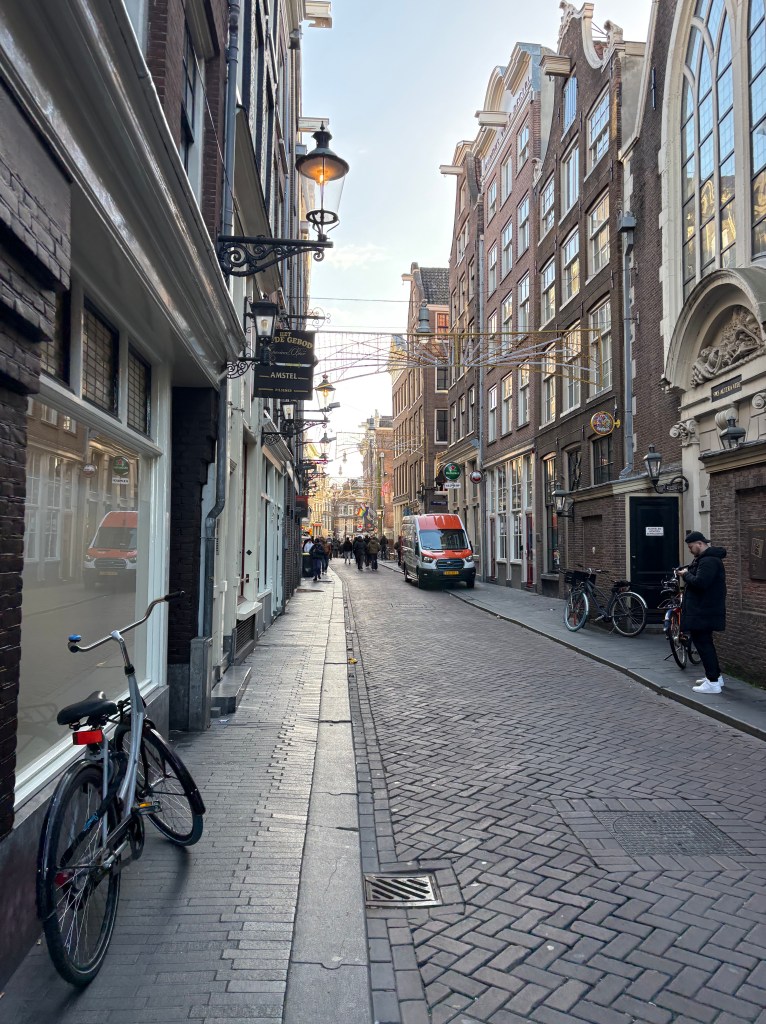
Slowing Down
I deliberately slowed my walk. Even then, it felt dull—almost shameful—as if I were being lazy. Not moving fast enough. Not doing enough. I won’t get there.
How wild is that? Feeling lazy while walking through an airport.
Why does walking need to be productive?
Once I truly slowed down, everything changed. I saw more. Felt more. Took in more. I was present.
In U.S. airports, terminals are crowded and loud. There’s a constant hum of stress—rolling luggage, crying children, clanging dishes, garbled announcements. Stimulation floods the nervous system until the body braces for dissociation, shutdown, or meltdown.
Amsterdam’s airport was just as busy—but quieter. People moved with intention, not urgency. The announcements were spoken softly, clearly and calmly. They sipped coffee. Hugged goodbye. Whispered to loved ones. Some simply stood, seemingly with no agenda other than being still.
My internal narrative crept in: Don’t they have somewhere to go?
And yet—we wonder why mental health in the United States remains in crisis.
What stands before us is a society bent under the weight of a machine that will never be satisfied. A system that demands urgency so a few may live lives most Americans will never access—despite abundance being possible for all.
Avoiding conversations about the systems shaping our daily lives isn’t “being apolitical.” It’s discomfort with reality. Silence = death.
We are shaped—harmed, discarded, exploited—by systems of power, money, leadership, and governance. These systems did not emerge accidentally. They were constructed. They were meant to provide, support, protect, and bring justice. Instead, for the majority, they often do the opposite.
To remain silent in this moment is not neutral. It is dangerous. Silence is often a privilege—until the day that protection is revoked and the very machine you fed turns on you.
Safety
At one point, Jordan and I stopped in the middle of the terminal. In a massive international airport, my body sensed something profound: I was safe to walk—not race—toward the exit.
Outside, I expected chaos. Crowded sidewalks. Honking cars. Bodies colliding.
Instead: quiet.
Cold Dutch air brushed my cheeks. A few cars idled. People laughed softly while smoking cigarettes. Trains opened and closed their doors. Everything moved—yet nothing rushed.
It didn’t feel disconnected. It felt relational.
Safety registered in my breath, in the cold air traveling through my nostrils and warming my lungs. In the U.S., safety is often equated with control—being told where to stand, where to go, how to behave.
Yet here I was, in a culture that felt more liberating than “the land of the free”—and safer than the shotgun-shelled sidewalks of home.
I released a vigilance I didn’t realize I was constantly carrying: locking my car while pumping gas, flinching at doors opening in church, driving past schools with grief so heavy it steals breath.
The heaviness I carry—for myself, for the LGBTQIA+ community, for immigrants, for African Americans, and for so many others targeted by systems—was in my hands in that moment as I breathed in the kind of environment we beg for back home.
Through icy Dutch winds, safety carried me forward—finally free to see, hear, smell, taste, and touch.
Relief showered over my body, and I turned to the little boy inside and whispered, “You’re safe now. Go have fun.”
The chronic vigilance that shapes life in the U.S. isn’t just “hard.” It’s dehumanizing—cruel, inhumane, violent, and deadly. For some, it isn’t adversity—it’s the fabric of their careers, families, spirituality, education, freedom, and safety being ripped apart until there’s nothing left.
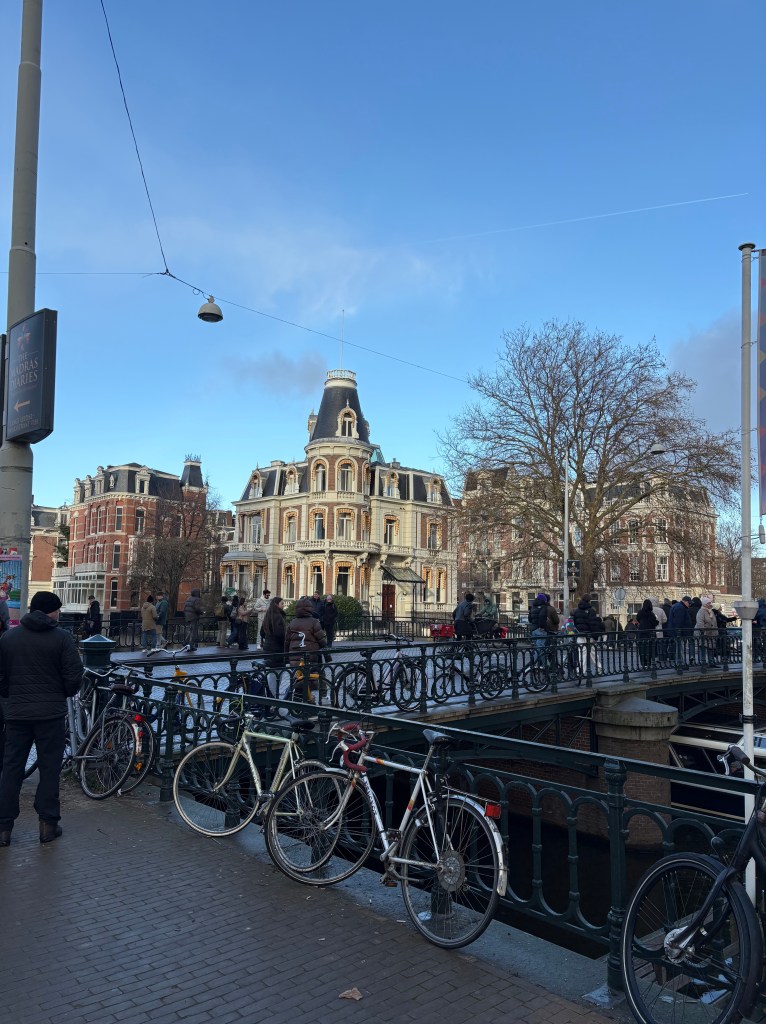
Directness Without Harshness
The quiet initially felt uncomfortable. But I quickly realized people were not withdrawn—they were intentional.
Small talk held little value. Conversations were direct, subtle, and often humorous. There was no need for performance or face-saving. Communication felt clean.
I didn’t need to perform to earn respect. I didn’t need to decode passive meaning. Clarity reduced anxiety.
I noticed how much time I spend interpreting conversations in the U.S. rather than participating in them. Social exhaustion—and the “my social battery is dead” phenomenon—made more sense.
With the Dutch, interaction felt supportive, not draining. If clarity were normalized, perhaps confusion, resentment, and unnecessary conflict would soften.
Indirect communication, over time, can become a breeding ground for anxiety and relational decay. Sometimes it’s self-protection. Sometimes it quietly deteriorates connection. Radical clarity, I believe, would deepen trust, honesty, genuineness, and ease—rather than offering temporary avoidance and self-soothing. And when relationships finally collapse, we look at the rubble and ask, What happened?
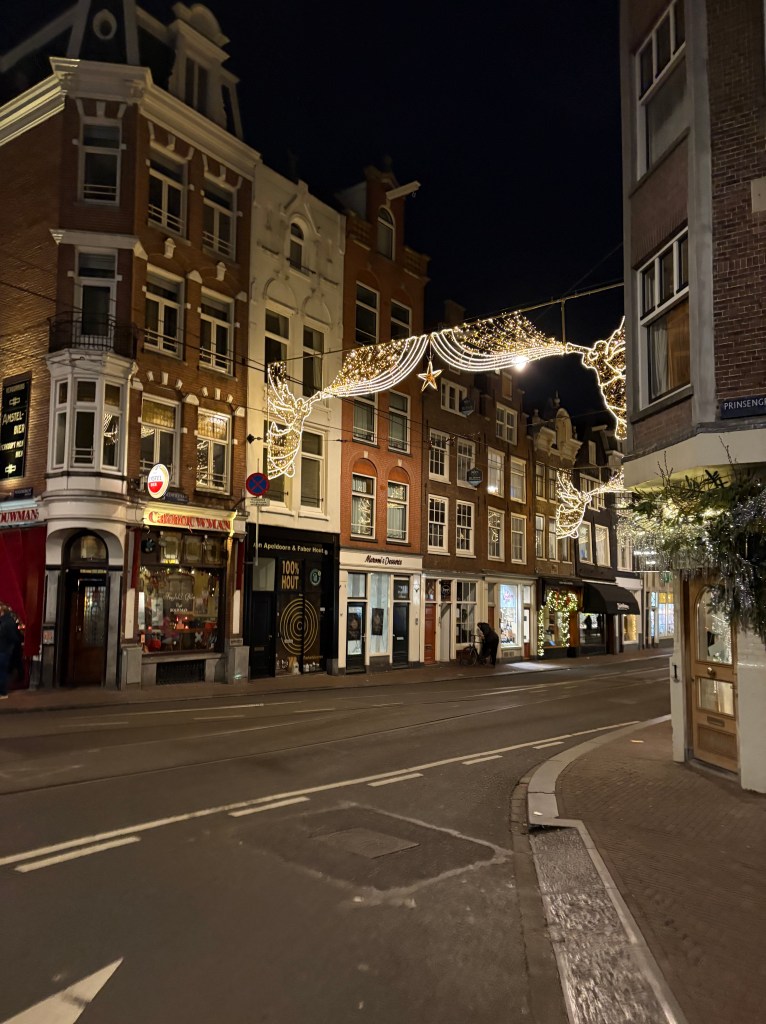
Pluralism Without Pressure
I heard languages everywhere—Dutch, Greek, Polish, Ukrainian, Russian.
People coexisted without pressure to assimilate. Culture wasn’t diluted—it was layered.
Pluralism wasn’t curated. It was lived.
American “acceptance” often masquerades as tolerance without responsibility. It says: You may exist—but don’t disrupt.
Acceptance is no longer enough.
We are asking for presence. For dignity. For space to bring our culture fully into the room.
Queerness, difference, identity—these are not inconveniences. They are contributions.
I’m fatigued by “we’re looking for a culture fit,” when what it often means is: we don’t want culture in the office. And if you make it through the filtering—if you mask well enough—once inside, your culture becomes: leave that at the door.
Our community is asking for more than tolerance. We are asking that our humanness is dignified, respected, and treated as worthy of the rights others have. We are asking for engagement—not forced assimilation disguised as acceptance.
Pluralistic societies do exist. And they are deeply healing.
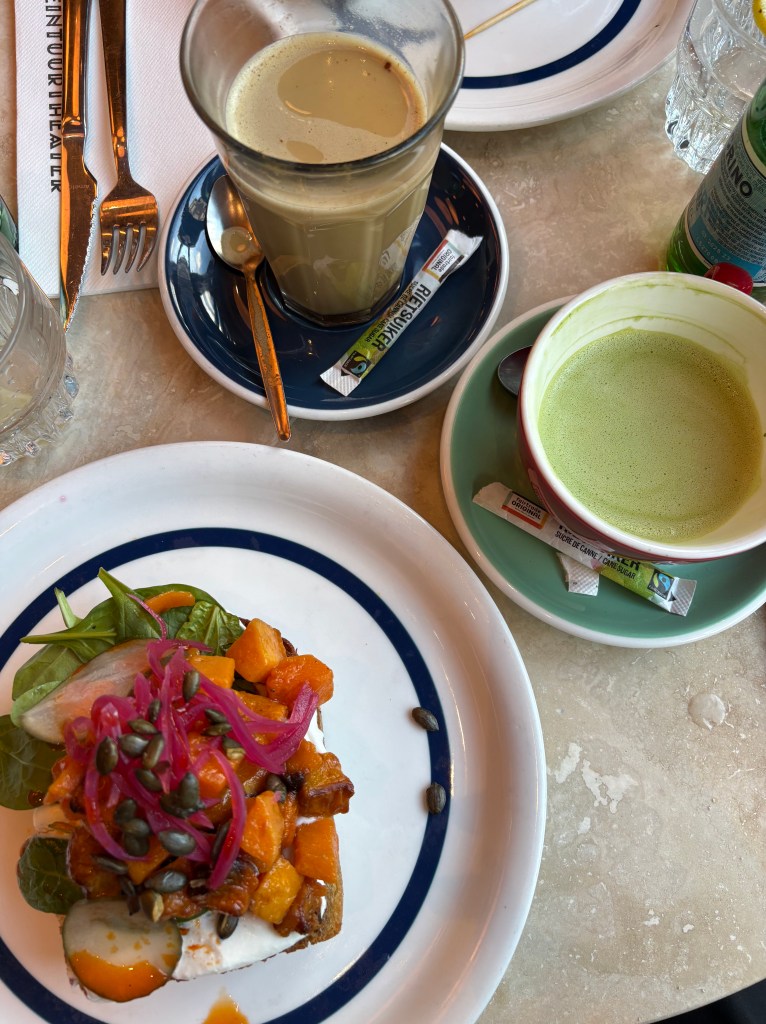
Food as Presence, Not Performance
As a Taurus, food matters deeply to me.
In Amsterdam, meals were slow. Intentional. Uninterrupted.
Servers didn’t hover. Water wasn’t constantly refilled. I had to ask for what I needed—and in doing so, I felt more dignity, not less. No one asked, “Are you ready for your check?” No one brought it when they decided it was time for us to leave.
American dining revealed itself as extraction disguised as service—productivity masquerading as care. Turning tables is the output. Profit is the point.
Slowing down to eat confronted my own avoidance patterns—strategies that once protected me as a child.
Gratitude expanded outward: the farmers, drivers, chefs, servers—every hand that made nourishment possible. They were feeding bodies, not investor wallets.
Leaving With More Than I Arrived
By the third day, I was no longer observing slowness—I was inhabiting it.
And that brought grief.
Grief for a culture that treats rest as weakness and speed as virtue.
I didn’t buy souvenirs. The city recalibrated my nervous system and that was just the gift I needed to carry back with me.
As a future counselor, this experience deepened both my calling and my grief. Wellness should not be reserved for the wealthy. Stillness should not be a luxury.
Wellness is not something to earn. You are deserving of it as you are.
Final Thought
Amsterdam didn’t give me something new.
It showed me what my body has always known—even on Appalachian ridgelines—
and what I’ve been trying to remember.
The ancient wisdom that lives in my spirit has always known this: what I’ve been shown at home is not the whole world, and it is not the limit of what life can be. There are more fruitful possibilities. There is a better way. And my body knows it.
 Khristofer Johnsen
Leave a comment